CLASSICAL STYLE: INTRODUCTION
Furnishing a house with a style means imprinting it with a recognizable character. In this article we will talk about the classic furnishing style, that is, the style that can include interior styles of various past eras.
There are many elements in a home that define a furnishing style, and it is these elements that we need to dwell on to recognize it.
Choosing a furnishing style means heeding the pleasant feelings that furniture, upholstery and colors manage to convey at a glance, making it a once-in-a-lifetime experience each time to stay in the rooms of your home.
Classic style is the quintessential timeless style; it is immediately recognizable and although it is inspired by the past, it never goes out of fashion.
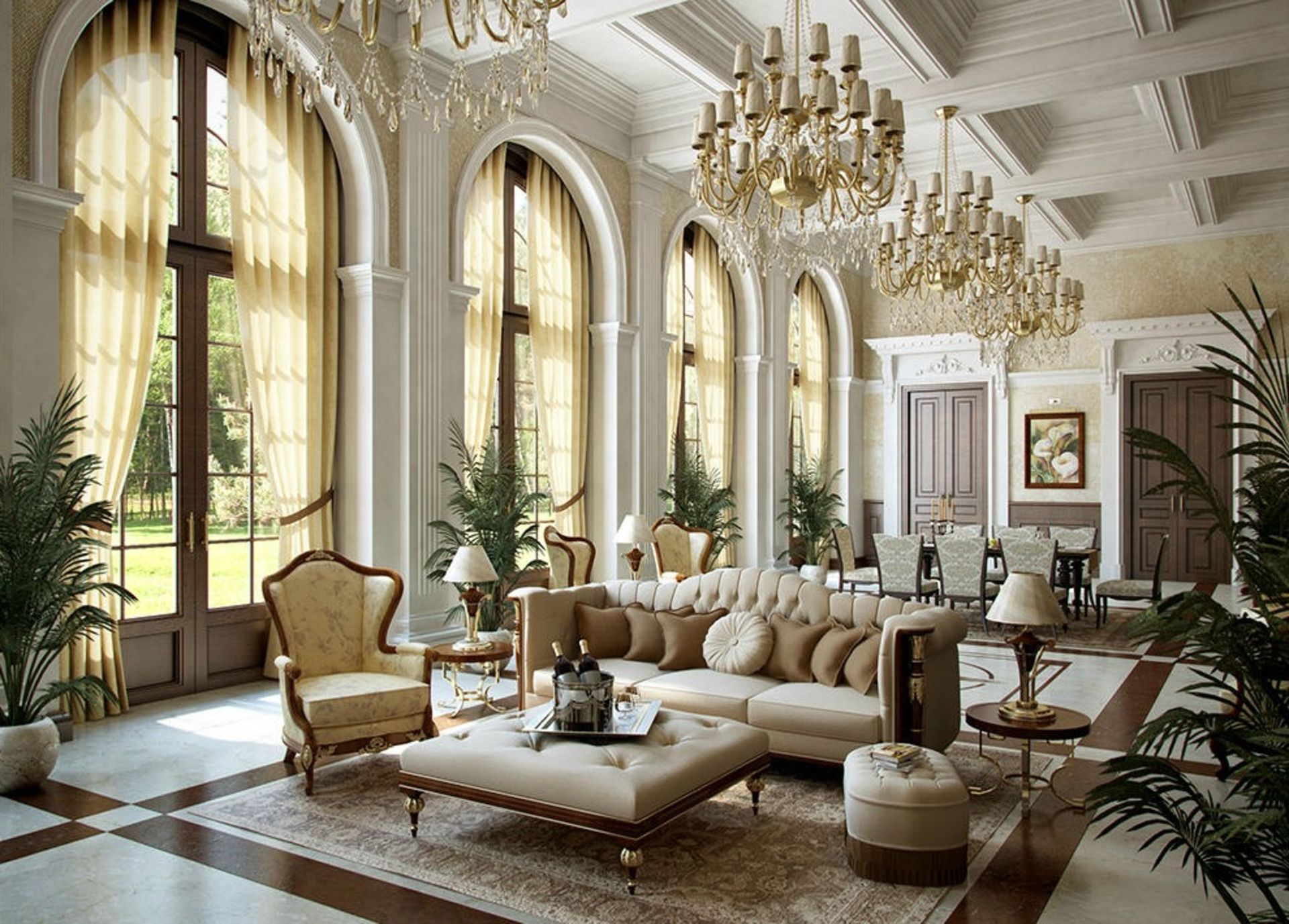
This style is synonymous with elegance, luxury, quality. In fact, when entering classically furnished houses, it feels like entering the noble house of yesteryear.
Classic furniture is often also a declaration of a certain socio-economic status and a certain type of taste and style.
In the classical style, the emphasis is not on functionality or technology but on the authentic beauty of the furniture and finishes.
Wood always prevails and is solid and important wood, materials are noble such as glass, marble and precious stones.
The lines are never essential but often sought after, the pieces of furniture abound and there is nothing left to chance. Classical-style houses convey warmth thanks in part to light colors on the walls and decorations such as chandeliers, which are always very important.
Finally, classic interiors are traditionally associated with delicacy, consistency and good taste. This is why they do not lose their relevance over the years and never go out of fashion.
MAIN FEATURES
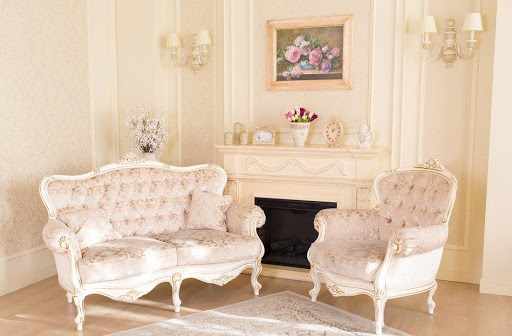
Each furnishing style has its constituent elements, “objective”, identifying and recognizable. The classical furniture style also has its distinctive features, such as:
- Materials and shapes of the furniture, where usually the colors are only those of wood;
- Coating materials, natural or otherwise non-chemical;
- Decorations of furniture, according to the past style they were inspired by;
- Plants perfectly hidden in the walls or furnishings; the heating system could consist of fireplaces or wood stoves or heated floors;
- Appliances in retro style or well camouflaged;
- Wall colors, mostly neutral;
- Functionality not first: certain materials and very sophisticated decors could, for example, make cleaning difficult.
COATING MATERIALS
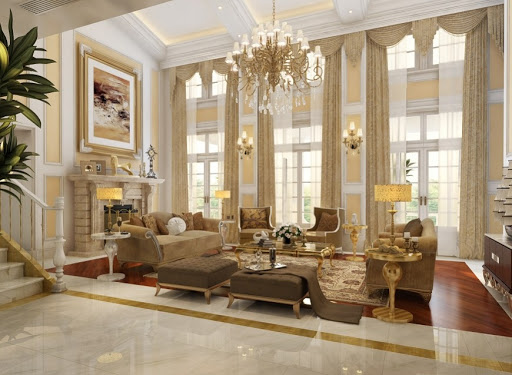
In the classic furnishing style, the coatings are mostly made of natural materials or in any case treated in a particular way. For floors, they may be consonant:
- The wood of the parquet;
- Terracotta and ceramics;
- Granite and marble;
- Glass mosaics;
- Stone.
For walls, are suitable for the classic style:
- Plaster with neutral colors, mostly white, or with subdued decorations;
- Wallpaper;
- Stone;
- Wood paneling.
Even countertops and entire rooms, such as kitchens, can consist of masonry and custom fabrications that can be perfectly integrated into a classic furniture style.
FURNITURE MATERIALS
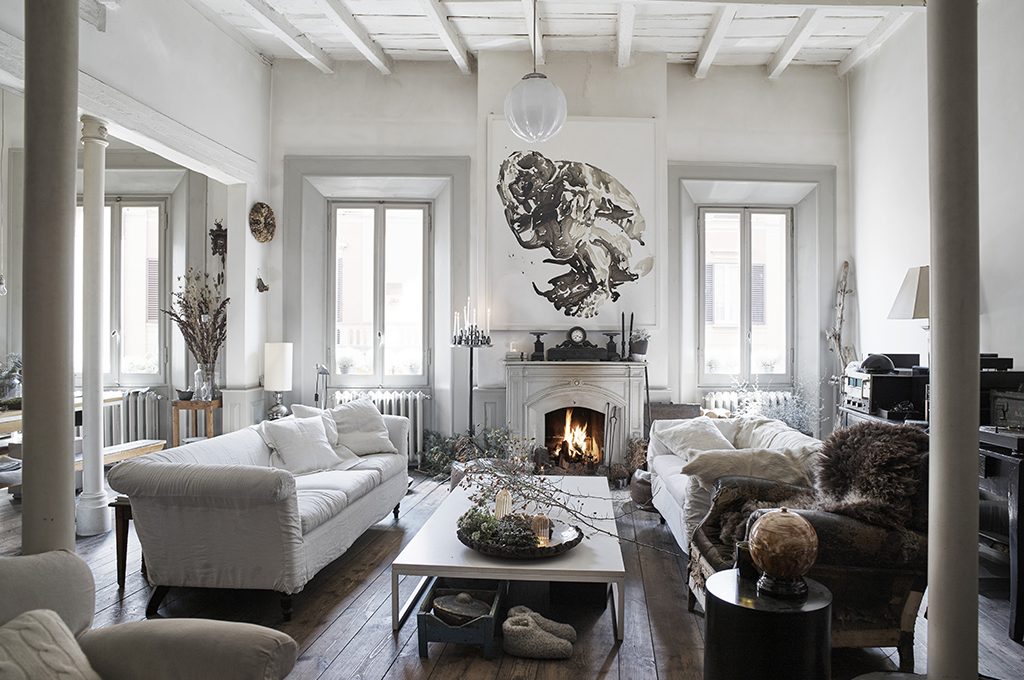
As for the furnishings, the classic style includes materials such as:
- Wood, mostly valuable;
- Stone;
- Glass;
- Marble or granite;
- Wrought iron.
Materials that do not differ much from those used in upholstery, as these are what most define this style of furniture.
Furniture upholstery sometimes involves lacquering either in fine material or with colors, but open-pore, that is, leaving all the characteristics of wood evident to the eye and touch.
Also, of particular importance in the classic furniture style are fabrics: draperies, silks, ornate velvets can cover chairs, sofas, armchairs, and characterize curtains and linens of a home designed with a classic style.
COLORS
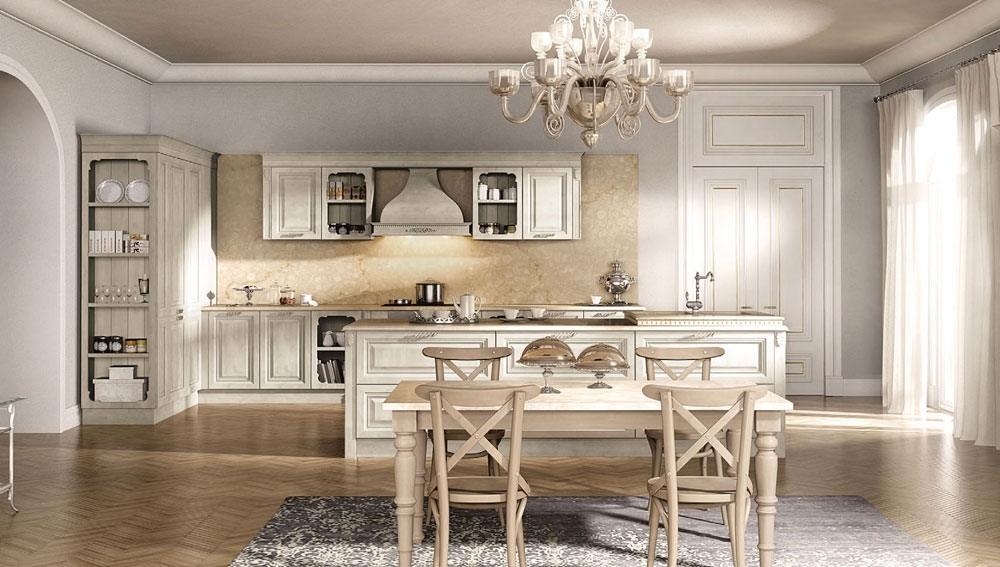
The classic furnishing style is also recognizable by its colors.
Mainly it is the colors of all wood essences that give the main shades in a house furnished in this style.
Then come the colors of stone or terracotta and finally those of the walls: always neutral or at most in very soft pastel shades.
Gold is another shade that is widely used in this style, especially for details and details.
Some furnishings, such as the kitchen, may also feature pastel hues when the cabinets or doors are open-pore lacquered, allowing all the wood grain and knots to be seen.
These are widely used techniques, for example for rustic kitchens. The colors of fabrics and draperies may also be stronger than pastel colors, but never vivid and dazzling.
In fact, dark red velvet is, for example, a typical fabric of the classic furniture style. Patterns are also welcome in classic style fabrics, as long as they are mainly floral.
CONCLUSIONS
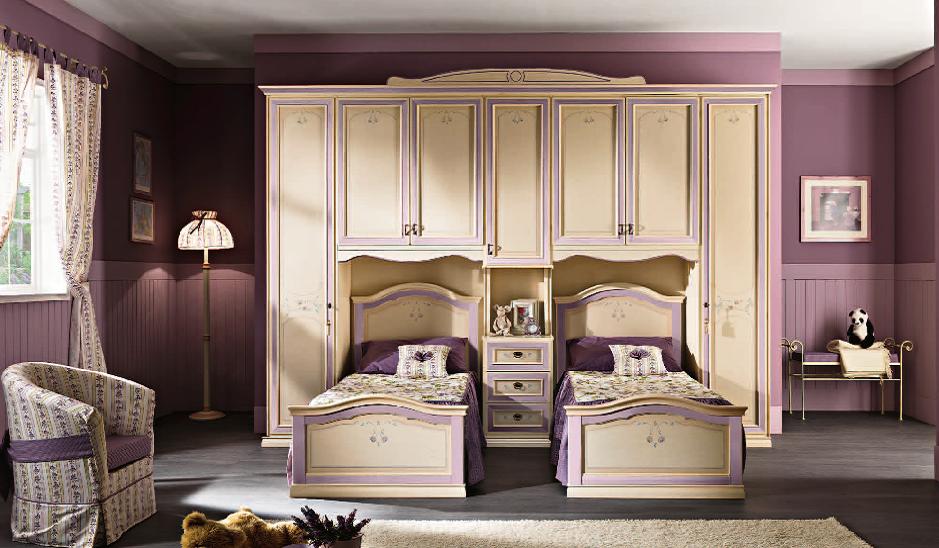
It is not the style most frequently seen these days, but it undoubtedly has great appeal, which continues to attract thousands of admirers around the world.
When entering a room with a classical style, the feeling is that of being a guest in an aristocratic house of ancient and noble origins, in which every element, from floor to ceiling, meets the criteria of tradition, grandeur, in the proper sense of size, and exquisite refinement.
The classic style is lately less in demand because the trends of modern and minimal style are often preferred. In fact, this style is more challenging as a decor both in terms of space and economy.
People who choose to furnish in the classical style often have a passion for fine antique furniture and have a very spacious home.
In fact, from this point of view, the classic furniture style, being timeless, is often revisited with a modern twist to adapt it to the needs of today’s living and to make it more affordable.
Thus was born a hybrid style, sometimes called “contemporary classic” or with similar compound terms.
The materials remain the same, but sometimes the colors change, sometimes the decorations. In fact, furniture is “lightened” and stripped of inlays and high reliefs, shades are made more vivid, even closed-pore lacquers are allowed.
In addition, as with any other furniture style, it is possible at the discretion of the person concerned to keep the classical style as a backdrop for contemporary or designer furniture pieces, or from other styles, thus creating a mixture of different characters and striking visual effects.

LEAVE A COMMENT
If you found the article interesting, please feel free to leave a comment with your thoughts about it!
Finally, if you need advice or a personalized guide to make your furniture in line with the dictates of the classic style, send an email to [email protected]! Visit our online portal CasaOmnia.it!