ACRYLIC PAINT: INTRODUCTION
How can we use acrylic paint to make it fit our favorite environments?
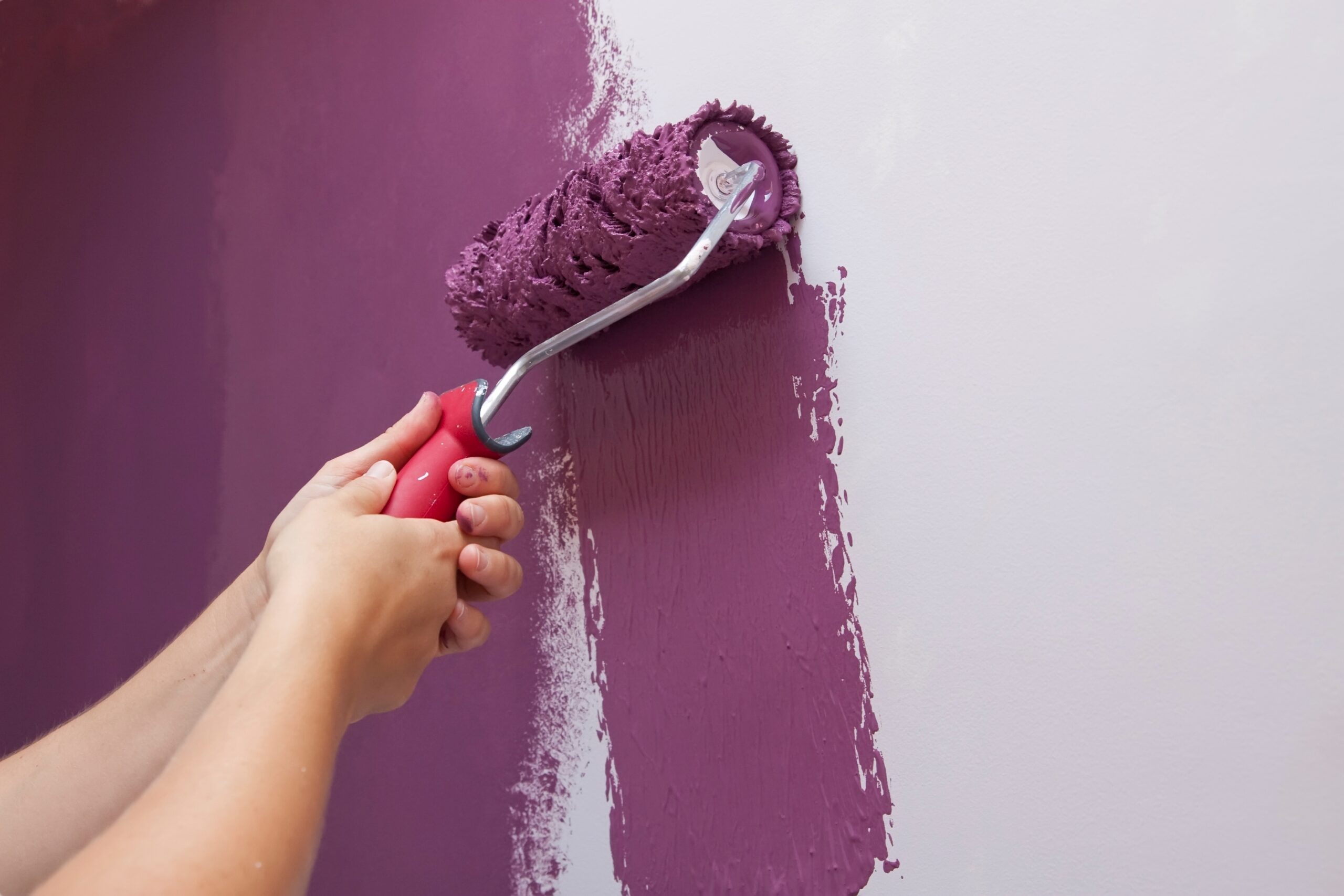
Quite often we find ourselves needing to give our decor a makeover. Rather than buying new furniture, however, we might as well seriously consider renovating it with our own hands. All you need is a certain dexterity and a good dose of patience to obtain really surprising and never trivial results. In this guide we will see how to proceed to carry out a small process that if done right can give a new life to the furniture. We will see precisely how you can use acrylic paints on furniture. If used well, acrylic paint will be able to breathe new life into every room in our home, from the kitchen to the bathroom, from the sleeping area to the living room.
ACRYLIC PAINT: WHAT YOU NEED TO KNOW
Acrylic painting is a fairly recent type of painting, the colors of which are made from color pigments mixed with fast-drying acrylic resin.
With these paints we can paint a wide variety of media.
Acrylic paints can also be used to color objects, vases, containers, obtaining very pleasant and lasting results.
They are very fast drying paints, easy to apply, and once dry, with translucent effect.
The only difficulty with acrylic paint, is to obtain the shades: in fact, when we need to perform a gradient, we can produce it through chromatic steps, or through color glazing, tone on tone.
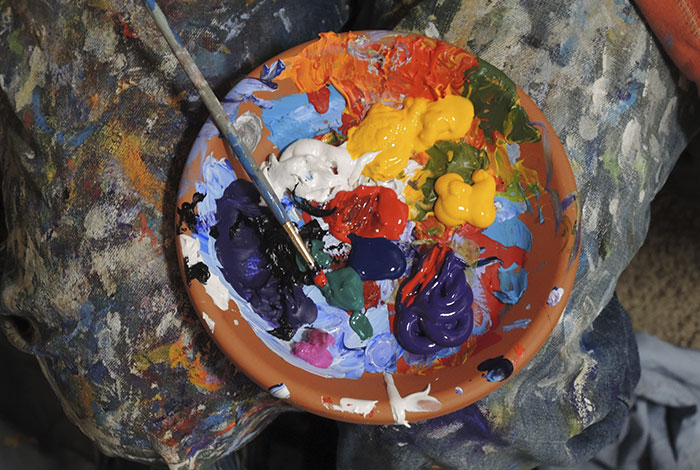
You can mix acrylic colors together to get secondary and different colors.
The thinner used is water, while once dry, unlike tempera, they remain indissoluble.
The final effect is of plasticized film, and they do not need either protective or fixative.
USES
The coatings are produced using colored powders mixed with an acrylic resin with variable drying times – generally fast – depending on the resins, pigments and the manufacturer.
The supports can be the most disparate, from drawing sheets, cardboard, canvas, cardboard canvas, wooden supports (even plywood). They are used, as well as for the execution of paintings, for wall decoration and that of the most diverse objects, their good resistance combined with its cheapness and fast drying make it a product of wide use. You can slow down the drying process with a moderate addition of glycerin.
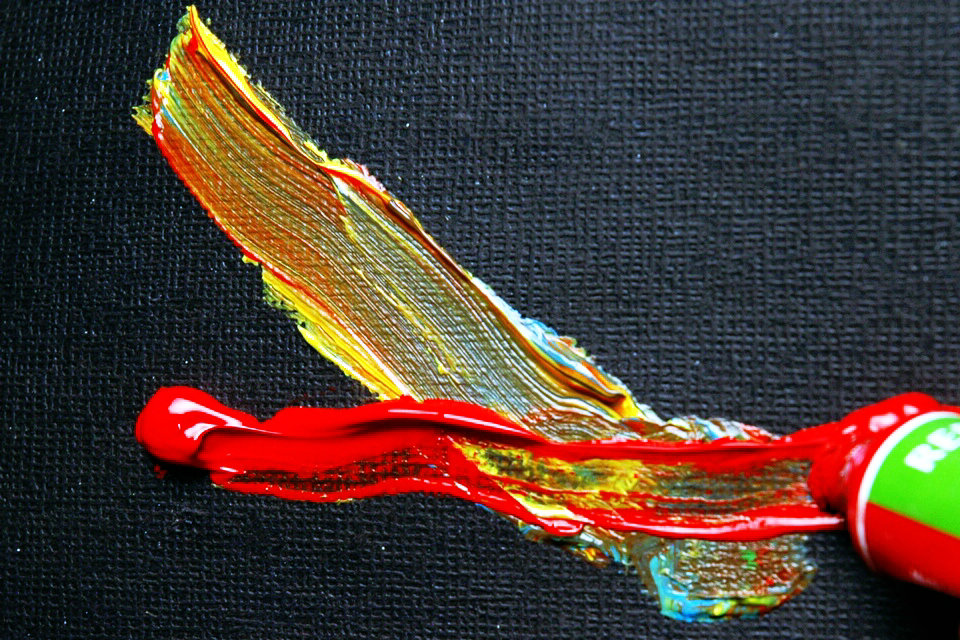
Features of acrylic paint is very fast drying, easy application and translucency once dry. The flaw in acrylics is that they do not allow for the blending technique, as is done in oil painting. In fact, the shading with acrylics is done in strokes, in steps allowing the transition from one tone to another, or with successive layers of thinned color that are spread on dry color. Acrylic colors are easily mixed with each other and as thinner is preferable simple water, which can also be used to erase, before drying, parts of the color.
A fundamental characteristic of acrylic colors, which differentiates them from traditional tempera, is their indissolubility once dry. It is therefore necessary to clean the brushes thoroughly after the work is finished; do not allow the color to dry on the brushes, which must be rinsed in water and dried. If the paint has dried on the brush you can dissolve it with alcohol or nitro thinner.
Some types of acrylic colors are sensitive to light that causes them to fade, such as red-violet and blue-violet colors, because they are created with pigments derived from photosensitive organic chemical compounds, this phenomenon is remedied with an acrylic resin lacquer with a UV filter that protects such colors.
HOW TO USE ACRYLICS?
As mentioned, we’re talking about an extremely versatile type of painting, particularly suitable for beginners.
This doesn’t mean, of course, that acrylic painting is “easy”: like all techniques, it requires commitment, consistency, and a lot of practice.
One of the features to always keep in mind when working with acrylic paints is the short and very fast drying time!
In order to have more time to work on our paintings, and thus to delay drying, it is for example possible to dilute acrylic paints in varying doses.
Once dry, acrylic paint is highly opaque and waterproof: at that point, you can paint over the painted area with a second color without creating a third.
In any case, this opaqueness does not preclude its use similar (if you’ll pardon the expression) to oil painting.
These colors can be used to create acrylic glazes, thus heavily diluting the mixture: they can then be used as if they were watercolors, creating new shades each time. If you want to learn more, read our guide on glazing technique.
You can use the same brushes for acrylics as for tempera and oil paints, although it should be noted that some brands produce brushes specifically for acrylics. It should also be noted that these colors lend themselves well to the use of different tools for spreading the color, such as pads or sponges, depending on the desired result.
LEAVE A COMMENT
If you found the article interesting, leave a comment! Furthermore, if you need a guide for choosing the right acrylic paint for you, send an email to [email protected]! Go to our portal Casaomnia.it!