
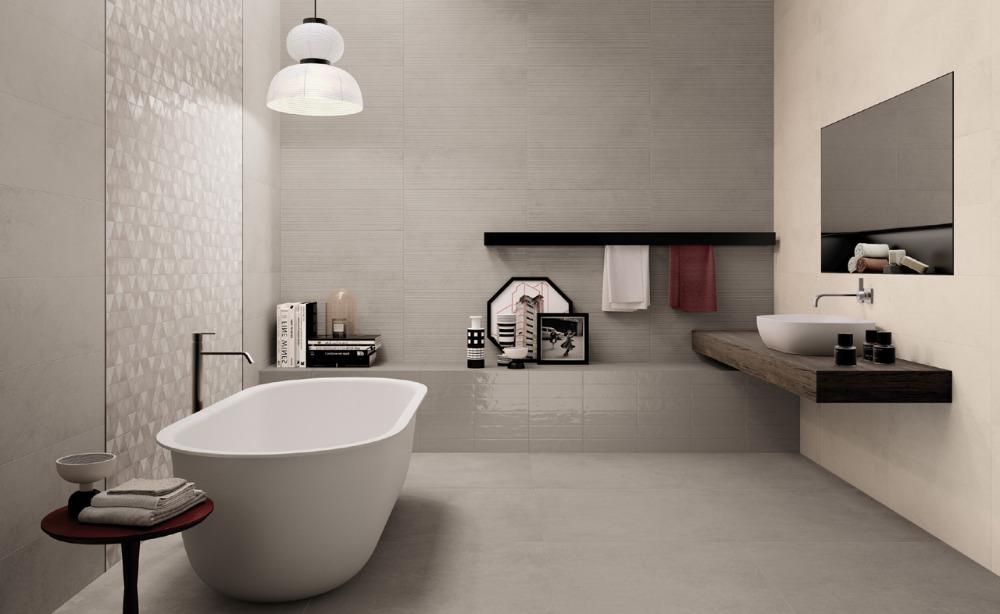
RESIN: INTRODUCTION
Resin is a very popular material for coating many surfaces in your home and work environment, in general it is often used for any surface both for the home and for the garden.
In addition, it has excellent aesthetics, as it can reproduce the appearance of metals, stones, concrete, marble and many other materials while also being more practical to handle.
Finally, the resin for coverings has a reduced thickness ranging from 2 to 3 mm and, thanks to the absence of joints, gives the floors, walls and surfaces a perfectly linear effect.
Resins for floors and flat surfaces are called self-leveling resins, but there are also resins for coating walls, bathrooms, kitchens, cabinets and other vertical surfaces, or the so-called paste resins.
For home renovation, resins can be chosen to coat cabinets, nightstands and other accessories, providing them with different styles and different decorations. Resin can thus be used for the bathroom, kitchen countertops, interiors and walls.
The resin coating can give a modern touch to furnishing accessories such as pellet stoves or the fireplace as well as old furniture.
Resin coatings should always be processed meticulously and by specialized firms to avoid unpleasant drawbacks such as cracking and mold, as well as uneven surfaces.
For those who are more practical and want to speed up the work, interior resin coatings can also be DIY.
In fact, one can independently apply such coatings by purchasing the appropriate means on the market, considering that these coatings are limited to only certain surfaces and not all types.
It is also appropriate to consider the characteristics of the rooms to be coated in order to choose the best type of suitable resin.
RESIN COATINGS
In recent years, resin has been gaining widespread success, thanks to its ability to resume the same aesthetic aspects of the most common materials, such as glass and wood, but at the same time, to increase its wear resistance and make surfaces completely waterproof.
The resin coatings are made of thermosetting synthetic polymers and easily modeled.
It is precisely because of these peculiar characteristics that resins are used to make various surfaces, especially furniture or wall coverings.
The coating resins can be laid on an existing surface, without removing it. In the event that the subgrade is particularly damaged, then, it will be a case of arranging it, resorting to specially made mixes.

ADVANTAGES AND DISADVANTAGES
In addition to the highly praised value and aesthetic aspect, the resin coatings are chosen and used for the functional characteristics that they are able to guarantee.
They, in fact, rank as the most durable and waterproof materials due to their continuous, seamless structure. Similarly, coating resin is resistant to wear and tear, chemicals, and at the same time very pliable.
Resins for coverings are characterized by obvious advantages regarding aesthetics, as well as composition and functionality. Resin coatings, in fact, are made from materials that guarantee the following peculiarities:
- The absence of toxic and harmful substances;
- The absence of strong, unpleasant odors;
- The extreme ductility, which allows any type of surface to be coated;
- water repellency;
- The permissible use in both indoor and outdoor environments;
- An elegant and eye-catching appearance;
- convenient and quick cleaning, enabled by the unique, seamless surface.
Since each exception confirms the rule, resin coatings also include not very positive characteristics.
First and foremost is the feeling of pretense that comes with admiring a coating of this material.
In fact, the lack of breaks during installation ensure a perfectly smooth surface that resembles plastic.
This aesthetic, however, can be remedied, with the combination of decorative and customizable elements.
Precisely because of the uniformity of resin coatings, when a small part of the surface deteriorates, one is obliged to work on the entire coating, proceeding, therefore, with the laying of an additional layer of resin.
In addition, the smooth surface of resin coatings is more prone to scratches and nicks.
The resin can be laid on any type of substrate, but shows poor adhesion on glass surfaces.
Resin surfaces are very smooth, uniform, and water-repellent; moreover, once wet, they are likely to become very slippery and dangerous.
TYPES OF RESIN
There are different types of resin on the market, used to make coatings, each specific for a particular use. Among the various types of resin, the most common are the following:
- epoxy;
- acrylic;
- polyester.
The choice of the most suitable resin for one’s needs depends on the intended use and the desired aesthetic performance.
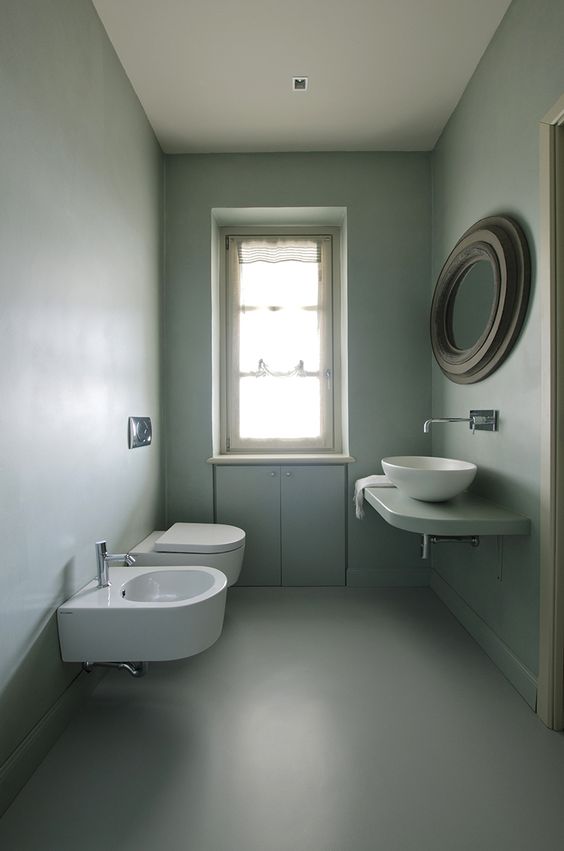
EPOXY RESIN
Epoxy resin is a synthetic polymer, with a very high viscosity, precisely for this reason, to allow easy processing, it is essential that it is diluted with special solvents, which guarantee greater impermeability of the fibers.
This type of material is obtained by mixing resin with a special curing component.
Epoxy resin coatings are characterized by a high level of wear and thermal shock resistance, very high water repellency capabilities.
Epoxy resin is commercially available in the form of self-levelling and non-self-levelling mixes. In fact, while with the former it is possible to proceed automatically with installation, the latter, on the other hand, requires special skill and manual dexterity.
ACRYLIC RESIN
The acrylic resin is obtained by the polymerization of acrylic molecules, so as to achieve very high performances, compared to the normal resins used for the coating.
In addition, it is characterized by high elasticity, resistance to flame and climate change, and breathability.
Finally, this material is commercially available in liquid form, which allows for immediate and easier installation than epoxy.
In fact, the waiting time for completion of resin surfaces is around 24 to 48 hours, compared to 7 days for epoxy.
POLYESTER RESIN
The polyester resin is made by mixing a polymer with textile or glass fibers, so as to reinforce the resin structure and make it particularly resistant to chemical agents and mechanical strength.
This particular type of material is used for coating many materials, including metal foils, concrete, fiberglass, wood, and even rigid plastic.
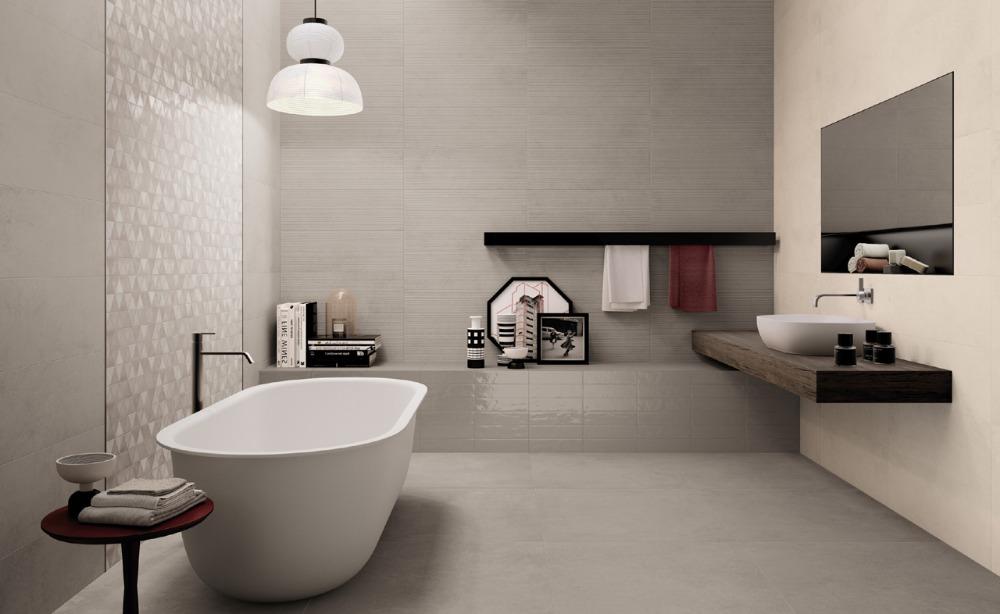
FURNISHING
Nowadays, resin coatings are required for the covering and the realization of any type of surface, but in particular they are used for the realization of the following environments:
- the kitchen;
- bathroom;
- the stairs;
- concrete coatings;
- pools;
- Other special coatings.
Due to its outstanding hygienic and practical characteristics, resin is used to coat kitchen walls and countertops.
In fact, the completely compact and continuous surface ensures immediate cleaning and does not allow food and dirt to accumulate.
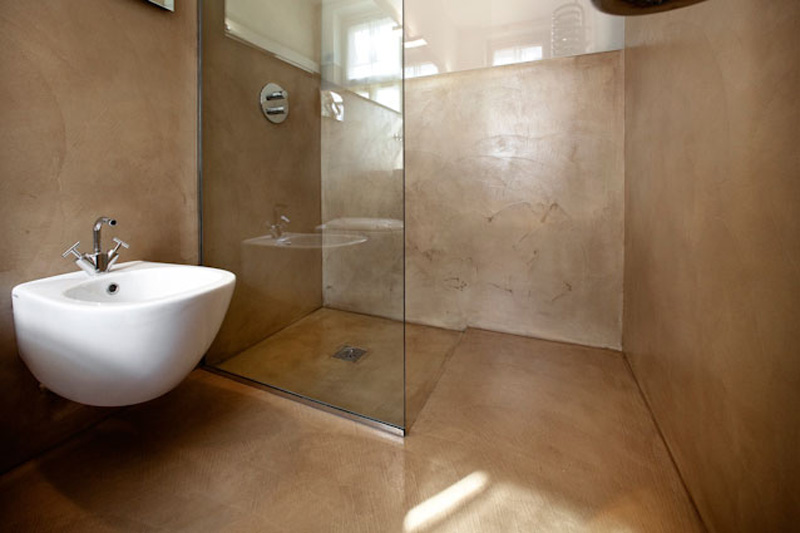
In wet environments such as the bathroom, resin is particularly suitable precisely because of its water-repellent properties. In fact, in this case it becomes a suitable and recommended material to resist water infiltration and mold formation.
The transparency of resin allows it to give that particular alternation of color and material that is particularly indicative for modern environments, especially for the creation of suspended staircases.
In addition, resin coating of concrete structures and swimming pools is allowed, due to its high resistance to the action of chemicals, oils, and grease, as well as the property that makes this material waterproof and highly moldable to any shape.
Great aesthetic impact is also enabled by the inclusion of elements within the resins, or in the substrate.
This makes it possible to obtain swimming pool backdrops, as well as tables and furnishings that are highly sought after and appreciated for their distinctiveness.
A final clarification concerns the use of acrylic resin in cooking. In fact, on the market, panels are available with which you can cover the walls near the worktop, the hob and the sink, replacing the ancestral and traditional ceramic tiles.
CONCLUSIONS
Resin has, by now, become a favorite building material. Environments of all styles and genres choose this material for flooring and cladding.
The well-kept and highly customizable aesthetics, as well as the special resistance to wear, scratches and trampling, have made this material the most beloved in recent decades.
Moreover, because of the great reputation of coating resins, they are readily available from any specialty retailer.
In addition to the retail sale of the various components, specialized firms can be used for the installation and fabrication of resin coatings.
The cost of resins depends on various factors, such as the company to which one turns, the type of resin chosen, and the coating to be made.
Generally the cost ranges from € 75 to € 200 per square meter, if you consider the entire procedure to be followed for laying the resins.
When, however, you buy as a single product, the price varies from 11 to 25 €.
So, what are you waiting for to coat the walls of your home with resin? You will not regret the choice at all!
LEAVE A COMMENT
If you found the article interesting, leave a comment with your considerations about it!
Finally, if you need a personalized guide on the choice of the material that best suits your decor, send an email to [email protected]!


