
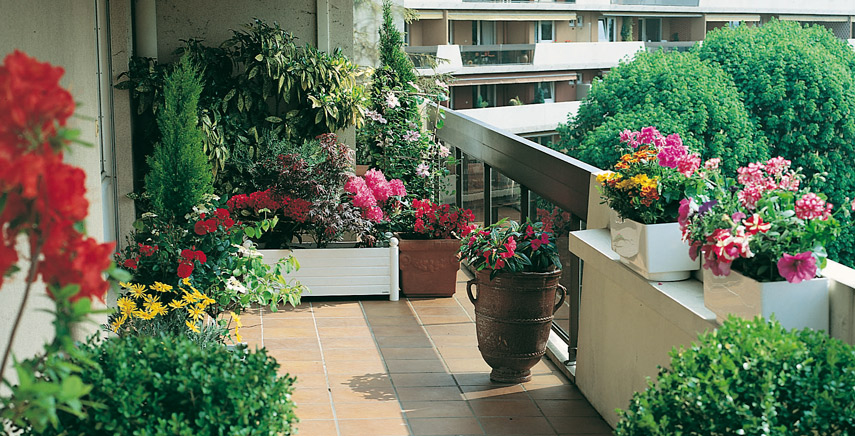
Resilient balcony plants are the ideal choice for those who want a beautiful, tidy, and easy-to-manage green space. You don’t need a large terrace: even a small balcony can become welcoming with the right species, well-chosen containers, and some attention to exposure.
Whether the balcony is sunny, shaded, small, or exposed to wind, the choice of species must complement the style of the home and the way you use the outdoor space. Greenery, in fact, is not just decoration: it can create privacy, enhance furnishings, make the entrance more welcoming, or transform a small outdoor area into a pleasant corner to enjoy every day.
In this guide, we’ll explore how to choose the most suitable plants for your balcony, which varieties are most resilient, and how to pair them with furnishings, pots, and materials to achieve a harmonious result.
Why Choose Resilient Balcony Plants
Resilient plants are the ideal solution for those who want a well-maintained balcony without having to dedicate too much time to upkeep. They better withstand heat, cold, wind, and less regular watering periods, while still maintaining a good aesthetic effect.
They are especially perfect when the balcony is highly exposed to sun, when you live in the city, or when you want to furnish the outdoor space with durable and easy-to-manage natural elements.
Choosing robust plants allows you to:
- keep the balcony green for longer;
- reduce the risk of dried or damaged plants;
- create a more pleasant and welcoming environment;
- enhance pots, planters, and outdoor furnishings;
- have a tidy outdoor space even with minimal maintenance.
A well-designed balcony depends not only on the quantity of plants, but on the balance between greenery, containers, flooring, colors, and accessories. This is why the choice of plants should always be connected to the overall style of the home.

Before Choosing: Observe Exposure, Wind, and Available Space
Before purchasing a balcony plant, it’s important to carefully observe the environment. Not all balconies have the same conditions: a south-facing balcony receives many hours of direct sun, while a north-facing one may remain in shade for most of the day.
Wind is also an element to consider. Some balconies, especially on upper floors or in open areas, are more subject to air currents that can damage leaves and flowers. In these cases, it’s better to choose plants with a more compact structure, stable pots, and well-positioned planters.
Always evaluate:
- how many hours of sun the balcony receives;
- whether the light is direct or filtered;
- how exposed it is to wind;
- how much space you have for pots and planters;
- whether you want to create privacy;
- how much time you can dedicate to plant care.
The size of containers is also fundamental. Pots that are too small dry out the soil quickly and make plants more fragile, especially in summer. It’s better to choose proportionate containers, with good drainage and consistent with the balcony’s style.
Sun-Resistant Balcony Plants
If your balcony receives many hours of direct light, it’s important to choose plants capable of tolerating heat and intense sun. The most suitable varieties are often Mediterranean or rustic ones, accustomed to bright conditions and high temperatures.
Geranium

The geranium is one of the most beloved balcony plants because it’s resilient, decorative, and generous in flowering. It’s ideal for sunny balconies and adapts well to both individual pots and railing planters.
Thanks to its vibrant colors, it immediately adds character to the outdoor space. It’s perfect for those who want a cheerful, flowering, and easy-to-maintain balcony.
Lavender

Lavender is an elegant and fragrant choice, perfect for sun-exposed balconies. It has a tidy appearance, a delicate color, and requires little care. It pairs very well with terracotta pots, stone-effect surfaces, wooden furnishings, and Mediterranean atmospheres.
Beyond its aesthetic value, it contributes to creating a relaxing and natural environment.
Rosemary

Rosemary is a resilient and highly decorative aromatic plant. It can be used both for its fragrance and to create small green compositions in pots. It’s suitable for sunny balconies and gives a simple, natural, and well-maintained appearance.
It’s ideal for those who love a practical balcony, where aesthetics and functionality coexist.
Resilient Plants for Shaded or Partially Shaded Balconies
A balcony with little sun should not be considered a limitation. There are plants capable of thriving even with indirect light or partial exposure. In these cases, it’s important to choose varieties that don’t need many hours of direct sun.
Viburnum

Viburnum is a resilient and versatile plant, also suitable for partially shaded balconies. It has an elegant appearance, can create volume, and contribute to privacy, especially when placed in large pots or deep planters.
It’s a good solution for those who want a green, tidy balcony with a more structured plant presence.
Ficus

Ficus can be used on bright balconies that are not too exposed to direct sun, especially in areas with mild climates. It has a decorative bearing and fits well in contemporary-style environments.
It’s better to position it in a sheltered spot, avoiding intense air currents and excessive temperature fluctuations.
Cyclamen

Cyclamen is a highly appreciated plant for cooler months. It loves bright but not too warm positions and offers vibrant flowering when many other plants are less decorative.
It’s ideal for adding color to the balcony in autumn and winter, especially in compositions with coordinated pots.
Erica

Heather is a compact, resilient, and decorative plant, perfect for creating small green corners in the colder months. It has a natural and refined appearance, ideal for balconies with a sober, rustic, or Nordic style.
It can be used alone or in compositions with other seasonal plants.
Cold-Resistant Plants for Autumn and Winter Balconies
A beautiful balcony should not be designed only for spring and summer. With the right plants, it’s possible to maintain color, structure, and harmony even during the cold months.
Among the most suitable solutions are:
- heather;
- cyclamen;
- viburnum;
- mugo pine;
- small potted conifers;
- some varieties of resilient aromatics.
These plants allow you to avoid the “empty balcony” effect during winter and help maintain visual continuity with the home’s interior spaces.
To enhance them best, choose resilient pots, natural materials, and neutral colors. Even well-maintained flooring can make a difference: if you’re thinking of renewing the base of your outdoor space, you can explore the topic in the dedicated article on ideas and tips for stylish balcony flooring.
How to Pair Plants with Balcony Furnishings
Plants should not be chosen only based on resilience, but also according to the style you want to achieve. A harmonious balcony is born from the dialogue between greenery, furnishings, materials, and colors.
For an elegant effect, it’s better to avoid accumulating too many different species without criteria. It’s preferable to choose a few well-matched varieties and arrange them in an orderly manner, alternating heights and volumes.
Here are some ideas:
Modern Balcony
Choose evergreen plants, pots with clean lines, and neutral colors such as white, gray, anthracite, or taupe. Viburnum, mugo pine, and compact green plants are perfect for creating a tidy and contemporary effect.

Mediterranean Balcony
Geraniums, lavender, rosemary, and terracotta pots are ideal for a warm, bright, and welcoming balcony. This style works very well with stone-effect flooring, wood, or natural materials.

Small Balcony
In a limited space, it’s advisable to use railing planters, vertical pots, and compact plants. Geraniums, heather, cyclamen, and aromatics allow you to decorate without taking up too much space.

Elegant and Relaxing Balcony
For a more refined effect, choose a coherent color palette and limit the number of colors. Coordinated pots, green plants, and some seasonal flowers can transform even a small balcony into a well-maintained corner.
If you want to work better on the overall space, you can also read the CasaOmnia guide with tips for furnishing the balcony, useful for integrating plants, privacy, furnishings, and accessories.
Ideas for Choosing Plants Based on Balcony Type
Every balcony has different characteristics. To achieve a good result, it’s useful to start from the type of space you have available.
| Balcony Type | Recommended Plants | Aesthetic Effect |
|---|---|---|
| Very Sunny Balcony | Geranium, lavender, rosemary, mugo pine | Bright, Mediterranean, fragrant |
| Bright Shade Balcony | Viburnum, ficus, cyclamen | Green, elegant, tidy |
| Autumn or Winter Balcony | Heather, cyclamen, viburnum | Colorful even in cold months |
| Small Balcony | Geraniums, heather, aromatics | Decorative without cluttering |
| Balcony Requiring Screening | Viburnum, tall potted plants, evergreens | Natural privacy and welcoming |
| Easy-to-Manage Balcony | Lavender, rosemary, mugo pine | Resilient and low maintenance |
This approach allows for more conscious choices, avoiding random purchases and creating a space more consistent with daily needs.
Mistakes to Avoid When Choosing Balcony Plants
Even the most resilient plants can suffer if positioned incorrectly. To keep the balcony beautiful and tidy over time, it’s important to avoid some common mistakes.
Choosing Plants Only for Aesthetics
A plant that looks beautiful at the nursery is not necessarily suitable for your balcony. Before choosing, evaluate exposure, climate, wind, and available space.
Using Pots That Are Too Small
Small pots dry out quickly and limit root development. It’s better to choose proportionate, stable containers with a good drainage system.
Not Considering Wind
Wind can damage leaves, flowers, and branches. On highly exposed balconies, it’s preferable to choose compact and resilient plants, avoiding varieties that are too delicate.
Overwatering
Many resilient plants suffer more from excess water than from lack of it. It’s important to check the soil before watering and ensure the pot allows water drainage.
Mixing Too Many Styles
An elegant balcony doesn’t necessarily have to be full of plants. Often, a few coordinated choices create a more refined result than many different elements.
The Role of Pots, Flooring, and Materials
Plants enhance the balcony, but the final result also depends on the materials surrounding them. Pots, flooring, railings, seating, and lighting contribute to defining the atmosphere of the space.
A terracotta pot communicates warmth and naturalness. A black or gray container gives a more contemporary effect. Wood makes the environment welcoming, while stone or concrete-effect surfaces pair well with modern balconies.
Flooring can also completely change the perception of the space. Practical and resilient materials, such as some outdoor solutions, help create continuity between interior and exterior. If you’re interested in a material suitable for outdoor floors and coverings, you can explore the article dedicated to WPC as an eco-friendly flooring.
How to Make the Balcony More Welcoming with Plants
To transform the balcony into a small living environment, plants should be inserted into a balanced composition. You don’t need to fill every corner: it’s more effective to create well-distributed green points.
You can use tall plants to screen the view, low planters to decorate the railing, aromatics near the dining area, and small flowering pots to add color.
Lighting also helps enhance greenery in the evening hours. Warm lights, lanterns, or outdoor lamps can make the balcony more pleasant and transform it into a natural extension of the living area.
The goal is to create a space consistent with the home: not just a place to set down a few pots, but a well-maintained, functional, and welcoming environment.
Frequently Asked Questions About Resilient Balcony Plants
Among the most resilient balcony plants are geraniums, lavender, rosemary, mugo pine, heather, cyclamen, and viburnum. However, the best choice depends on exposure, climate, and pot size.
For a very sunny balcony, plants capable of tolerating intense light and heat are suitable, such as geraniums, lavender, rosemary, and mugo pine. It’s important to use sufficiently large pots and monitor watering during summer months.
Heather, cyclamen, viburnum, mugo pine, and some small potted conifers are suitable solutions for keeping the balcony decorative even in cold months.
For a small balcony, compact plants, aromatics, geraniums, heather, cyclamen, and railing planters are recommended. The important thing is not to occupy too much floor space and maintain a tidy composition.
To make a balcony elegant with plants, it’s better to choose a few well-matched varieties, use coordinated pots, alternate different heights, and maintain a color palette consistent with the home’s furnishings.
Conclusion
Resilient balcony plants are a practical and decorative choice for making the outdoor space more beautiful in every season. Geraniums, lavender, rosemary, viburnum, heather, cyclamen, and mugo pine offer different solutions for sunny, shaded, small, or cold-exposed balconies.
The real difference, however, comes from the whole: suitable plants, proportionate pots, coherent materials, and carefully chosen furnishings. Even a small balcony can become a welcoming, elegant, and pleasant environment to live in, if designed with care.
Plants are the first step to making the balcony more natural and harmonious. Combined with flooring, accessories, and outdoor details in line with the home’s style, they allow you to transform a simple space into a personal, well-maintained, and always pleasant corner.


