
Have you ever wondered how some spaces can immediately convey a sense of unity and harmony? Or how certain environments can seem alive and dynamic while maintaining an elegant coherence? The answer often lies behind the subtle but significant principle of repetition in interior design. This strategy not only helps create a welcoming and interesting environment but is also a powerful means of self-expression. Let’s discover together how to use repetition to elevate the design of your spaces.
The Power of Repetition
Repetition may seem like a simple concept; reusing design elements such as colors, shapes, patterns or materials in different places in a space. However, its effect on the overall design can be surprisingly profound. This principle creates a visual rhythm that guides the eye nicely through the environment, generating coherence and harmony without sacrificing visual interest.
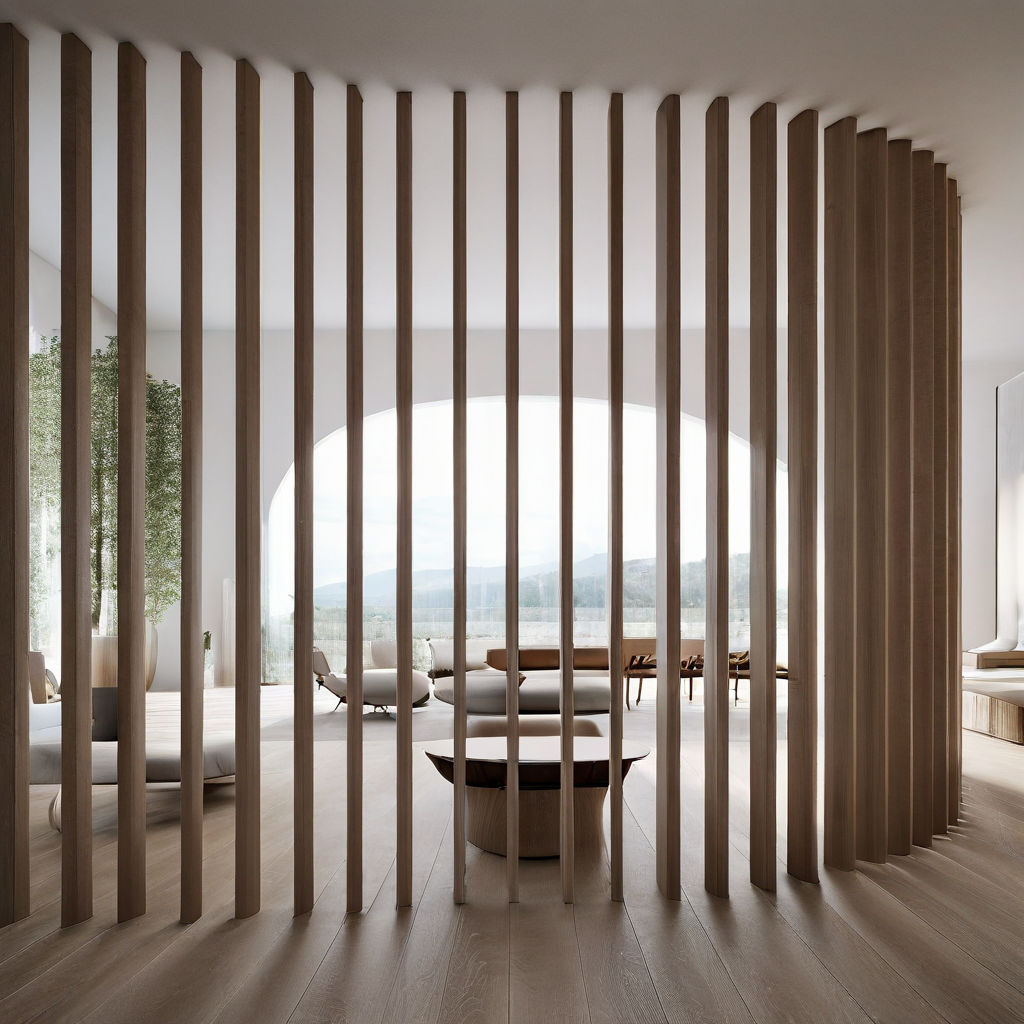
Creating Harmony with Colors and Patterns
Let’s start with colors and patterns, two of the easiest elements to repeat in a design. Selecting a limited color palette and using it throughout the home can unify otherwise disconnected spaces. It is not about painting every wall the same color, but introducing touches of those colors in various elements; from the pillows on the sofa to the artwork on the walls. The same goes for patterns: a chosen pattern can recur in curtains, rugs, and accessories, creating a visual thread.
Balancing Interest and Consistency
While repetition unifies, it is essential to balance it to avoid monotony. The goal is to create an interesting as well as cohesive environment. This can be achieved by varying the scale or tone of the repeated elements. For example, if you have a floral pattern on your curtains, you could repeat it in different sized pillows on the sofa or in art prints hanging on the wall. This variation keeps the visual interest alive while reinforcing the coherence of the space.
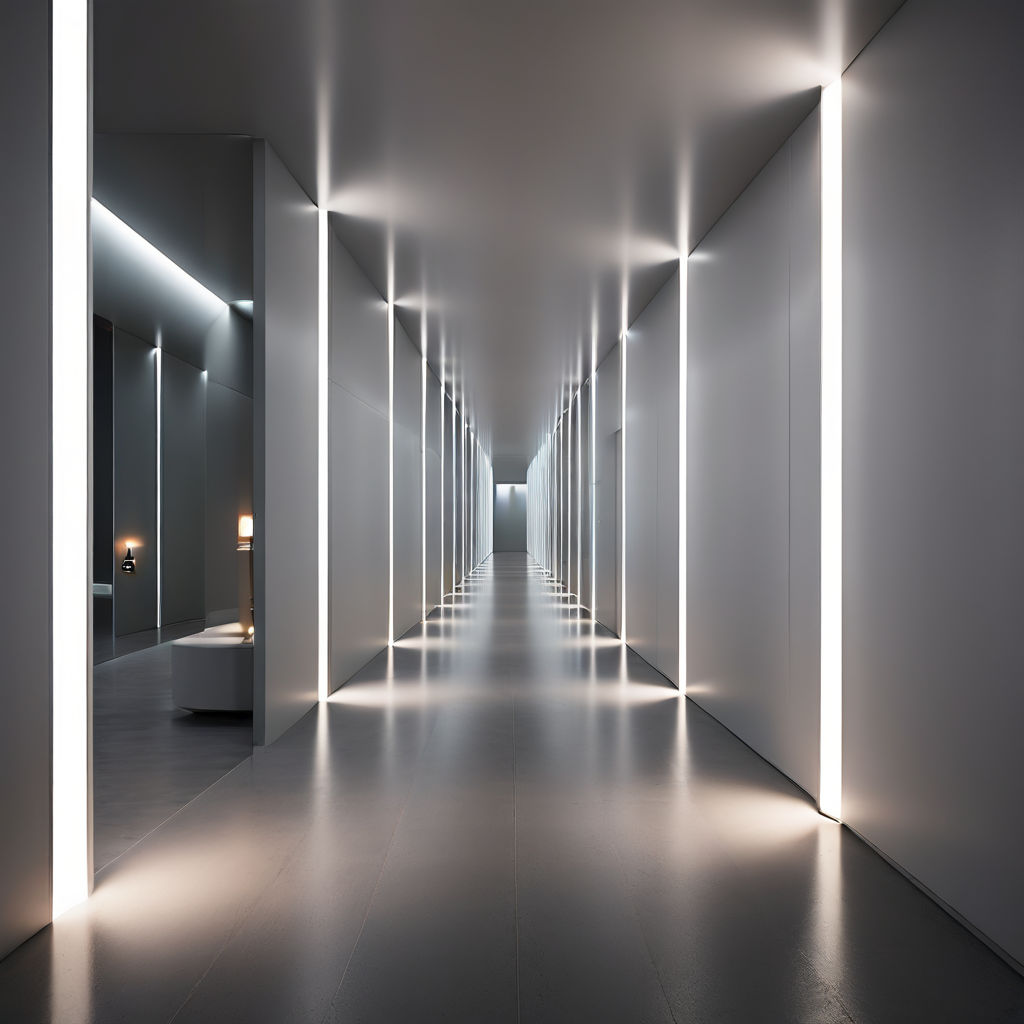
Expressing Yourself Through Repetition
Repetition is not only a matter of aesthetics; it is also a powerful means of self-expression. The elements you choose to repeat can say a lot about your personal style and what you love. Are you attracted to clean lines and geometric shapes? The repetition of these elements may reflect your fondness for minimalism and order. Or, if you are fascinated by natural textures and organic materials, repeating them in various ways can create a sense of connection with nature. The key is to select elements that resonate with you and find creative ways to incorporate them into your space.
Creating Focal Points with Repetition
Repetition can also be used to create or reinforce focal points in a room. For example, a group of similar vases of different heights on a fireplace not only attracts attention but also adds interest through variation. This approach can guide the eye to key areas of the space, helping to define and accentuate architecture and significant pieces of furniture.
Practical Tips for Using Repetition
- Start Small: If you are new to the concept of repetition, start with small accents such as pillows, picture frames, or books. This will allow you to experiment without overwhelming the space.
- Seek Balance: As you explore repetition, remember that the goal is to create harmony, not uniformity. Varies the size and tone of repeated elements to keep the design dynamic.
- Personalize: Choose elements for repetition that reflect your interests and passions. This will not only make the design more meaningful to you but also more inviting to guests.
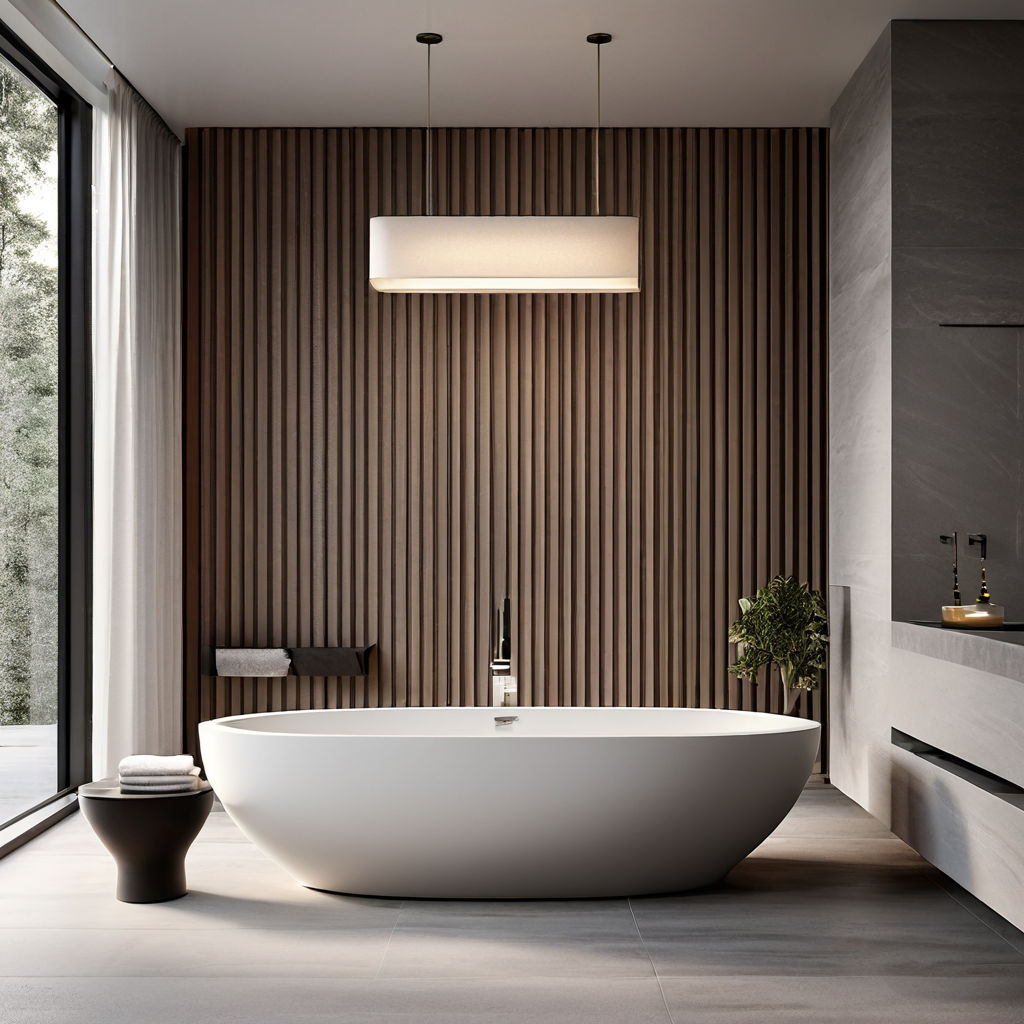
To Say Goodbye
Repetition in interior design is more than just a visual trick; it is a fundamental principle that, when used with intention, can completely transform the feel of a space. By using repetition to create harmony, interest, and personal expression, you can elevate it from a simple collection of rooms to a haven that truly reflects who you are. Remember, every house tells a story; use repetition to make sure yours is one you love to tell.


